



; ?>/theme/images/logo.svg)
Introduction
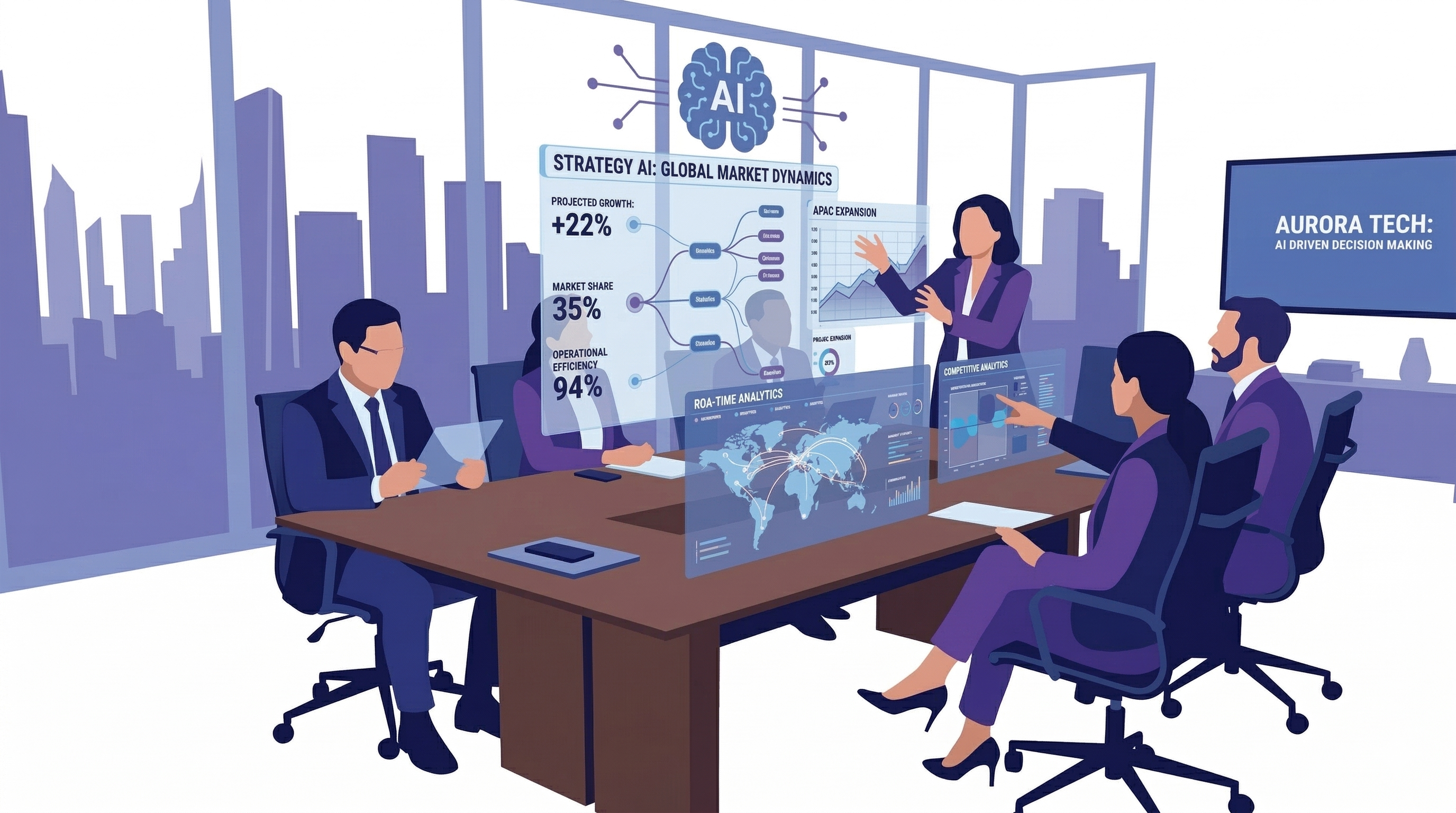
Artificial Intelligence is rapidly becoming a strategic technology for modern enterprises. Organizations across industries are investing heavily in AI to improve decision-making, automate operations, and unlock new business opportunities. However, successful AI adoption requires more than simply implementing algorithms or deploying AI tools.
Many companies experiment with AI projects but struggle to scale them across the organization. The main reason is not technology limitations, but organizational readiness. Enterprises must prepare their data infrastructure, workforce, governance frameworks, and strategic direction before AI can deliver meaningful value.
Enterprise readiness for AI means building the right foundation that allows AI initiatives to move from isolated experiments to scalable, enterprise-wide capabilities.
Why AI Readiness Matters for Enterprises
Although AI adoption is growing globally, relatively few organizations have successfully integrated AI into their core operations. Many companies remain stuck in the pilot phase without achieving measurable business impact.
This gap between experimentation and real value often occurs because organizations underestimate the importance of preparation. AI requires a coordinated transformation across technology, people, and processes.
Companies that successfully scale AI treat it as a business transformation initiative, not simply a technical upgrade. They align leadership, data strategy, and operational workflows to support AI-driven innovation.
The Core Pillars of Enterprise AI Readiness
Experts commonly identify several foundational pillars that determine whether an organization is ready for AI adoption: strategy, data, talent, governance, and technology infrastructure.
These elements must work together to enable sustainable AI initiatives.
1. Strategic Leadership and Vision
Successful AI adoption begins with clear leadership commitment.
Executives must define:
Why the organization is adopting AI
What business problems AI should solve
How AI aligns with long-term strategic goals
AI initiatives that operate without strategic alignment often fail to generate meaningful outcomes. When leadership defines a clear vision, teams across the organization can prioritize projects that deliver measurable value.
2. Data as the Foundation of AI
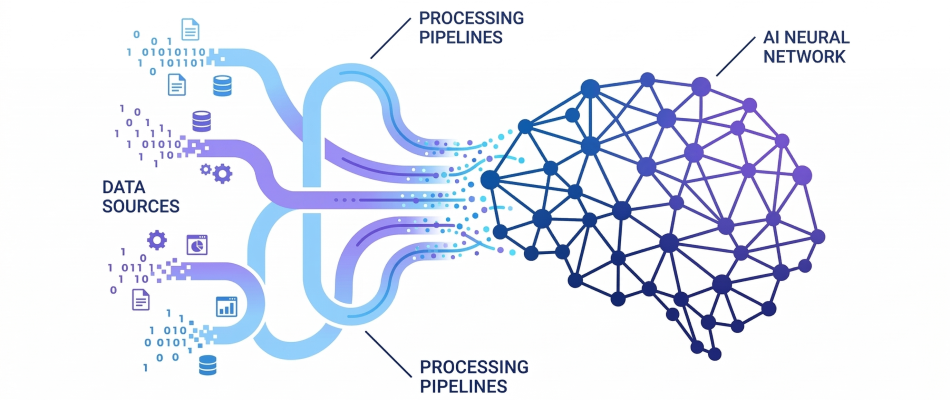
Data is the most critical component of any AI initiative.
AI systems rely on large volumes of structured and high-quality data to train models and generate insights. If data is fragmented, inconsistent, or inaccessible, even advanced AI solutions will produce unreliable results.
For AI to succeed, organizations must establish strong data practices, including:
Data governance policies
Consistent data collection standards
Unified data platforms
Secure and accessible data pipelines
High-quality, trusted data is essential for building reliable AI systems and ensuring business confidence in AI-driven insights.
3. Talent and Organizational Skills
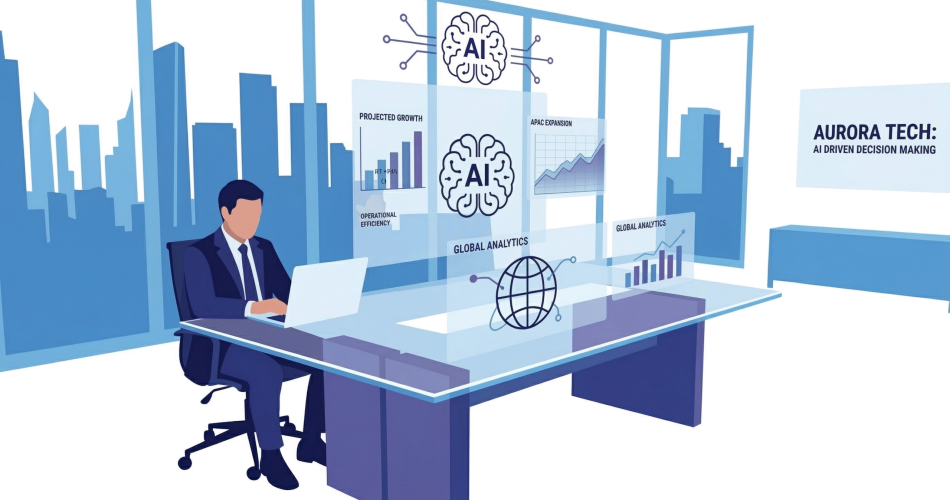
AI adoption is not purely a technical process. It requires employees who understand how to work with AI systems and integrate them into real workflows.
Organizations need a combination of skills, including:
Data science and machine learning expertise
Software engineering capabilities
Business domain knowledge
Data literacy among decision-makers
Equally important is fostering a culture where employees view AI as a tool that enhances productivity rather than a threat to their roles.
4. Technology Infrastructure
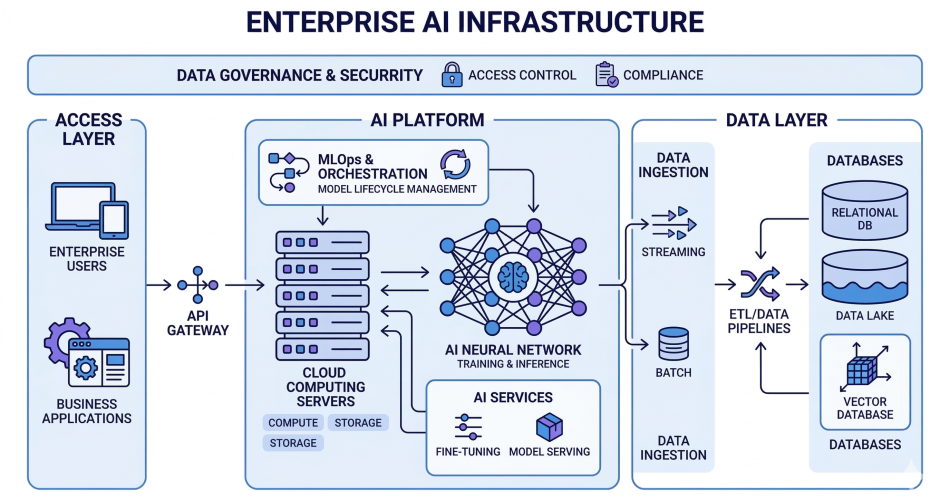
Enterprise AI requires scalable and flexible technology infrastructure.
Organizations must ensure their systems can support:
Large-scale data storage and processing
Model training and deployment
Integration with existing enterprise systems
Real-time analytics and automation
Legacy systems often present integration challenges that slow AI adoption. Modern cloud architectures and scalable data platforms are increasingly used to support enterprise AI workloads.
5. Governance, Security, and Responsible AI
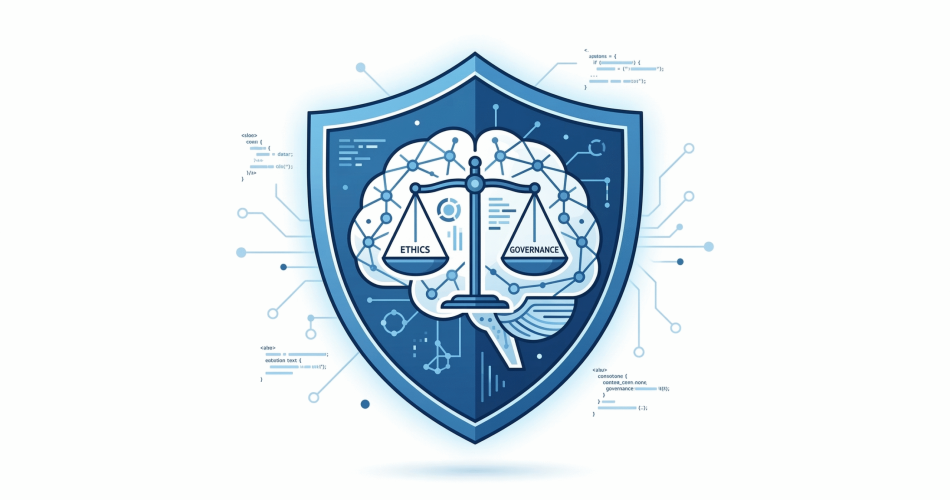
As AI systems become more integrated into business operations, governance and security become critical concerns.
Enterprises must establish frameworks that address:
Data privacy and compliance requirements
Model transparency and accountability
Risk management and bias mitigation
Ethical use of AI technologies
Strong governance ensures AI systems operate responsibly while maintaining trust among stakeholders, regulators, and customers.
Common Challenges in Enterprise AI Adoption
Despite growing interest in AI, many organizations encounter barriers when trying to implement AI at scale.
Common challenges include:
Poor data quality or fragmented data systems
Shortage of AI and data talent
Integration issues with legacy technologies
Lack of organizational alignment
Resistance to operational change
In many cases, the biggest barrier to AI success is organizational readiness rather than technical capability.
Conducting an AI Readiness Assessment
Before launching large-scale AI initiatives, organizations should conduct a structured readiness assessment.
An AI readiness assessment evaluates multiple dimensions, including:
Business strategy alignment
Data availability and quality
Technology infrastructure
Workforce capabilities
Governance frameworks
This process helps organizations identify gaps and prioritize investments that will enable successful AI implementation.
Building an AI Adoption Roadmap
Organizations that successfully implement AI typically follow a phased approach:
1. Identify High-Value Use Cases
Start with targeted applications that offer clear business value.
2. Strengthen Data and Infrastructure
Ensure the data ecosystem supports AI initiatives.
3. Develop Internal Capabilities
Invest in training, hiring, and cross-functional collaboration.
4. Scale Successful Initiatives
Expand AI solutions gradually across departments and business functions.
This incremental strategy reduces risk while allowing organizations to build experience and confidence in AI adoption.
The Future of AI-Ready Enterprises
As AI technologies continue to evolve, the competitive gap between organizations that successfully integrate AI and those that do not will continue to widen.
Enterprises that invest in readiness today will gain several long-term advantages:
Faster and more informed decision-making
Greater operational efficiency
Improved customer experiences
Increased innovation capacity
Stronger competitive positioning
In the coming years, AI readiness will become a defining factor that separates digitally mature enterprises from those that struggle to keep pace with technological change.
Conclusion
Artificial Intelligence has the potential to transform how organizations operate, compete, and innovate. However, technology alone cannot deliver this transformation.
True success with AI requires organizational readiness — a combination of strategic leadership, strong data foundations, skilled teams, scalable infrastructure, and responsible governance.
Enterprises that invest in these foundations will be better positioned to move beyond experimentation and unlock the full strategic value of AI.